Strategy
Part of Gen Z consumer behavior research: rules for a defensible study
Why is Gen Z consumer behavior shifting so quickly this year?
Gen Z consumer behavior is shifting fast because housing costs, creator discovery and resale apps changed what feels worth buying this year.
What to take away
- Gen Z consumer behavior is not one buyer. A 19-year-old renter and a 26-year-old with a car payment behave differently in the same week.
- Rent, groceries and transport eat the budget first. Discretionary spend is what survives, and it moves between categories fast.
- Discovery starts on TikTok and Instagram. Checkout often finishes on Amazon, a brand site or a resale app such as Depop or Vinted.
- Resale, dupes and "buy it for life" purchases are one instinct: get more use per dollar.
- The shift looks fast because two things moved at oncefixed costs took more of a tight budget, and cheap checkout arrived for the same goods.
The squeeze is the first reason
Ask a 23-year-old why they stopped buying a favorite brand and the answer is usually rent. Housing, food and transport take the first slice of income, so anything discretionary has to justify itself against a fixed number.
Typical asking rents for a one-bedroom apartment in early 2026 run about $1,400 to $2,600 a month across most US metros. Food-at-home prices rose 11.4% in 2022, the largest jump since 1979, according to USDA Economic Research Service data, and that level has not come back down. A $40 hoodie competes with a week of lunches.
That is why a $40 hoodie and a $12 dupe get compared in the same TikTok video: the question is what the remaining money has to cover.
Two more costs landed on the same budget. Federal student loan payments restarted in October 2023 after a three-year pause, and many retail credit cards now carry annual percentage rates above 20%.
Affirm, Klarna and Afterpay split a purchase into installments when the cash is not there that week. Afterpay charges up to $8 for a missed payment, capped at a quarter of the order value.
The option set moved in the same window. Resale apps and low-price marketplaces put a cheap alternative in front of the same buyer, so the squeeze turns into a purchase decision within days.
Gen Z consumer behavior splits by life stage rather than by age band. A student with a meal plan and a graduate paying rent in a mid-size city are different buyers with the same birth decade.
Discovery moved, checkout did not
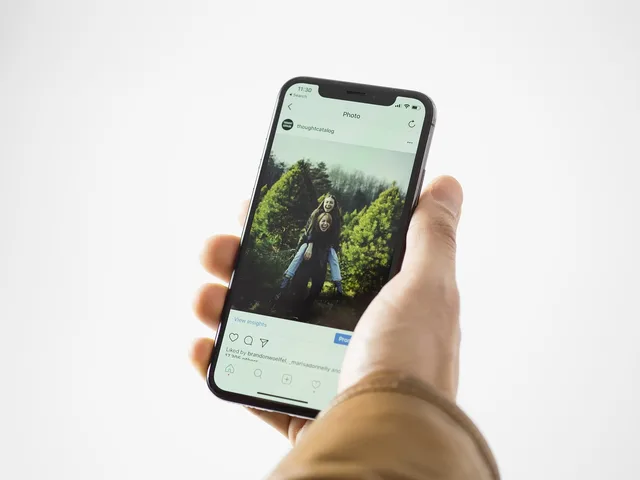
Short-form video is where a product is first seen. Search, marketplace listings and brand sites are where it gets bought. A creator clip that drives saves and shares often sends the buyer to Amazon to check the price and the returns policy.
TikTok Shop opened in the United States in September 2023 and put checkout inside the feed. Instagram Reels and YouTube Shorts keep discovery on social without closing the loop for most small brands.
Amazon Prime runs $139 a year or $14.99 a month, so the marketplace doubles as the price check most buyers reach for first.
Google's Prabhakar Raghavan said in 2022 that close to 40% of young users looking for a place to eat start on TikTok or Instagram rather than Google Search or Maps. The same habit carries into shopping, where discovery starts on social.
That gap matters for measurement: a campaign can look weak on last-click and strong on branded search a week later.
The brand implications of that gap show up in how a product is described. A dupe-friendly listing that names the original gets found. A vague one does not.
Resale, dupes and durability follow one purchase path
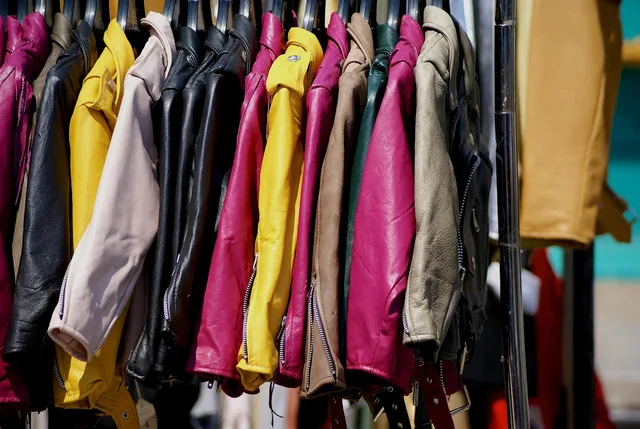
Depop, Vinted, eBay and Facebook Marketplace turned secondhand into a first-choice channel for clothing and electronics. ThredUp's annual resale report, produced with GlobalData, puts the US secondhand apparel market in the tens of billions of dollars a year and has tracked secondhand growing faster than new apparel sales for several years.
The fees shape the choice. Depop takes roughly 10% of a US sale, eBay's final value fee runs near 13% in most categories, and Poshmark keeps 20% on sales above $15. Vinted charges the buyer a protection fee instead of the seller, typically around 5% plus a small fixed charge.
Shein lists dresses under $10 and Temu ships small goods for a few dollars, typically with delivery windows of one to three weeks. A low price covers the risk of a bad fit, so the dupe becomes the cheap test.
The same instinct produces three different purchases:
Resale, dupes and durability
- Buy used. Check Depop, Vinted or eBay before paying the new price.
- Buy the dupe. Take the cheap version when it does the same job.
- Buy new, and keep it. Pay once for the version that lasts.
Used, dupe or new
Is the item durable and the fit known?
Buy used on resale apps
Is the original a status good with no functional difference?
A brand that reads only step two will misread the other two as loyalty or disloyalty. They are the same calculation.
Why a two-week campaign can be missed
Gen Z checks a phone in short bursts through the day, so a campaign that runs for two weeks can be missed entirely. Discord servers, group chats and campus channels carry recommendations that never appear in an ad platform's report.
Subscriptions set what a monthly budget can hold. Spotify Premium Student runs $5.99 a month, and Netflix's ad-supported tier listed at $6.99 when it launched in 2023 and $7.99 by 2025.
Email still works for receipts, restock alerts and loyalty offers. It does not work for discovery. Treating email as a discovery channel is why open rates look fine and revenue does not move.
Where the evidence file goes
The method note for this article is the GAO evaluation design guide, which links an evaluation question to the evidence needed to answer it. The privacy note is the W3C Privacy Principles, which warns against pushing privacy work onto the individual user.
The substantiation note is the FTC advertising substantiation policy. Objective claims need a reasonable basis before they run. The procurement note is the GOV.UK technology selection guidance, for teams weighing data control against ownership cost when they pick a measurement or loyalty platform.
A worked check on one claim
Take a brand that says its jacket lasts twice as long as a cheaper one. Run the claim through five fields before it goes live.
| Field | Test | Record |
|---|---|---|
| Claim | What exactly is promised, and to whom | Wording, audience, date |
| Basis | What evidence supports it before dissemination | Test, sample, source |
| Method | How the result will be measured and by whom | Population, measure, reviewer |
| Timing | When the claim runs and which rival it names | Launch date, market, review window |
| Stop rule | What result would kill the claim | Threshold, owner, review date |
The FTC's Green Guides cover environmental claims, and the same standard applies to a durability claim: "lasts twice as long" needs a test behind it.
Case 152 in the consumer behavior case studies shows the same failure twice: a team read survey answers as buying intent, then reported the gap as a trend.
Common questions
Is Gen Z actually less brand loyal?
Less loyal to a logo, more loyal to a specific product that earns its price. When a cheaper item performs the same job, the switch is quick and not felt as a betrayal.
Why do stated preferences and purchases disagree?
Surveys ask what sounds reasonable. Shopping asks what fits the budget that week. When the two conflict, the receipt is the better record.
Why does the shift look so sudden this year?
Because the budget and the option set moved in the same twelve months. The two sections above trace each move.
Does resale growth mean new goods are in trouble?
Not directly. Resale and new sales often rise together, because resale gives a buyer cash or confidence to spend elsewhere. The category matters more than the total.
What should a small team measure first?
One claim, one audience, one measure, one stop rule. Add channels only after the first result can be reproduced with the people and budget already in place.