Operations
Part of Testing the factors that shift Gen Z buying decisions before you scale spend
Four Gen Z shopping habits planning ranges, each labeled and date checked
Four Gen Z shopping habits planning ranges for discovery, mobile checkout, returns, and repeat purchase, each labeled and date checked, not published benchmarks.
What to take away
- Discovery begins inside a short video feed, so the first three seconds carry the product.
- The finished order happens on a phone, usually in the session the video started.
- Returns are normal. Split by size and colour, they read the product page.
- Repeat purchase follows delivery and fit. A points card does not fix a late parcel.
- Each figure below is labelled verified or planning range, with a check date beside it.
The four facts cover the trailing twelve months, the reporting period for this revision. Every figure carries a source line, and where no public study supports a number the line says planning range, not a published benchmark. Test each range on your own checkout data before you rebuild a plan.
The full path from first view to second order sits on our Gen Z shopping habits page, mapped stage by stage.
Fact one: discovery starts in the feed
A Gen Z shopper usually meets a product inside a short video before searching for it. The feed decides what exists. Search confirms it later.
That order changes the creative brief. The first three seconds carry the whole job. Show the product in use, name the price, and give a reason to keep watching.
Checklist before you ship a video:
- Product visible and in use in the first frame.
- Price or price band on screen, not buried in comments.
- One next action named out loud.
Figure: 40 to 60 percent of first product contact arrives through a feed, with search and marketplaces taking the rest. Source: platform analytics plus your own referral report. Label: planning range. Checked: Q1 2026.
Fact two: the checkout is a phone
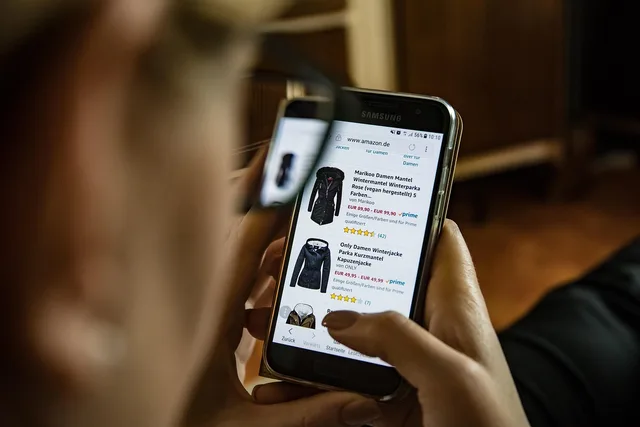
The finished order happens on a phone, often in the session the video started. Desktop carries research. Mobile carries payment. Count started carts against finished orders on mobile alone, never blended.
Figure: 60 to 75 percent of started mobile carts end unfinished in apparel, and lower in repeat essentials. Source: your own checkout events. Label: planning range. Checked: Q1 2026.
Payment choice reshapes the basket. Buy now, pay later splits a purchase into instalments, and in Canada the Financial Consumer Agency sets out the rights and risks attached to those plans (FCAC guidance).
Before you quote an abandonment number to a board, read trusting Gen Z shopping habits statistics for the checks that separate a real figure from a recycled one.
Fact three: returns are part of the journey
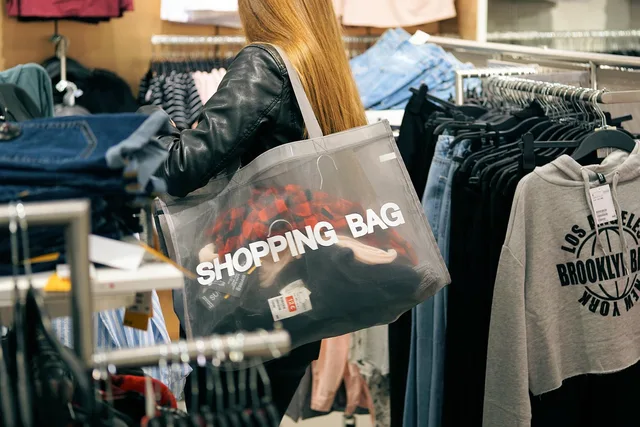
Gen Z returns things. Sizing, fit, colour and second thoughts send items back. A return is a reading of the product page, not a customer failing.
Split the return rate by size and by colour before you react. One colourway can carry most of the returns.
Figure: online apparel returns typically land in the 20 to 30 percent band, with wide variation by category. Source: your own returns ledger. Label: planning range. Checked: Q1 2026.
A low return rate with flat repeat use is worse than a higher one with customers coming back. The Gen Z shopping habits case studies page shows how teams read returns and repeat use against each other.
Fact four: repeat purchase follows delivery
Loyalty in this group is not a points card. It is whether the parcel arrived on time, matched the photos, and fitted. Get those right and the second order is easier than the first.
Get them wrong and no discount code repairs it. Track second orders inside a 90 day window, split by first delivery date.
Figure: 20 to 35 percent of first time buyers place a second order within 90 days when delivery keeps its promise. Source: your own cohort table. Label: planning range. Checked: Q1 2026.
Rules that touch shopping claims
Two sources matter before you publish a claim or collect reviews.
The FTC advertising substantiation policy requires a reasonable basis for objective claims before an ad runs. If your copy says a product lasts, the evidence behind that word sits dated and on file.
The FTC guidance for marketers using reviews covers fake feedback, selective requests, conditioned incentives and hidden relationships. The FTC rule banning fake reviews and testimonials took effect in October 2024, and it carries civil penalties per violation.
Example: reading one launch
Run a single launch through the four facts.
Diagnose a launch by stage
Discovery strong, checkout weak?
fix the form
check returns next
Worked numbers, not a case study: 10,000 views on the launch video, 1,200 started mobile carts, 420 finished orders, 105 returns, and 95 second orders inside 90 days.
| Stage | What to check | What it tells you |
|---|---|---|
| Discovery | Views, holds and saves on the first video | Whether the feed found the product |
| Checkout | Started carts against finished orders, mobile only | Where the phone checkout breaks |
| Returns | Return rate split by size and colour | Which page misled the buyer |
| Repeat | Second order inside 90 days | Whether delivery and fit held up |
The weakest number above is checkout, at 35 percent completion. Fix the form before you touch the creative. For the retention branch, the Gen Z shopping habits brand implications page works through what a flat repeat rate means for planning.
Common questions
Are these facts true for every category?
No. Beauty, apparel, electronics and food behave differently, and no single channel carries a whole category. Test the four facts against your own finished orders before you rebuild a plan.
How often should I recheck the figures?
Quarterly works, or whenever a platform changes its shopping features. Keep the check date beside each number so the next reader knows how old it is.
What should I measure first?
Finished orders, returns, and second purchases for one product line. Those numbers show which fact is costing you money now.
Do the US rules apply to Canadian campaigns?
Partly. Claims and reviews face the same scrutiny, while consent, language and payment rules differ. Check the Canadian rules your campaign touches before launch.